
A curated, regularly updated reference on synthetic-media growth and likeness misuse in India — compiled from public reporting, formatted for citation.
Multiple industry trackers have reported India's deepfake volume growing five- to six-fold between 2019 and 2024, among the fastest rates globally.
McAfee's 2024 deepfake survey reported three in four Indian respondents had seen deepfake content, with a large share unable to distinguish it from real media.
Unauthorised celebrity endorsements — especially for betting apps and investment schemes — consistently rank among the most common deepfake abuses reported in India.
Modern voice-synthesis models produce usable clones from just a few seconds of source audio — a single interview clip is enough raw material.
Indian High Courts have granted technology-aware injunctions protecting the name, image and voice of leading film and music personalities, including orders directly addressing AI-generated content and voice cloning.
India's intermediary rules set tight timelines for platforms to act on complaints about impersonation and morphed media — the legal basis for fast takedowns.
Industry bodies project continued double-digit growth — while most collaborations still run without written usage rights, the gap Zimorta exists to close.
The Digital Personal Data Protection Act treats faces and voices as personal data: processing them — including AI training — requires specific, informed, withdrawable consent.
Free to embed in articles and reports — attribution is baked into the image (CC BY 4.0).
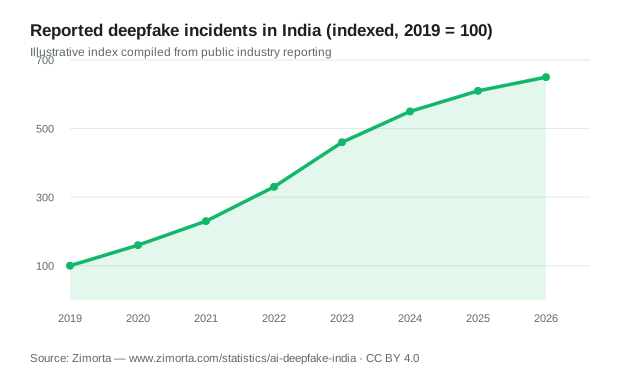
Zimorta, "Deepfakes & AI Misuse in India: Key Statistics," https://www.zimorta.com/statistics/ai-deepfake-india (updated July 2026). Per-statistic original sources are named in each entry.
Want the primary dataset? Our original research report is in the field now.
About the State of Likeness Misuse reportZimorta onboards founding members in small cohorts — Indian talent, agencies and brands building the consent layer for the AI era.