
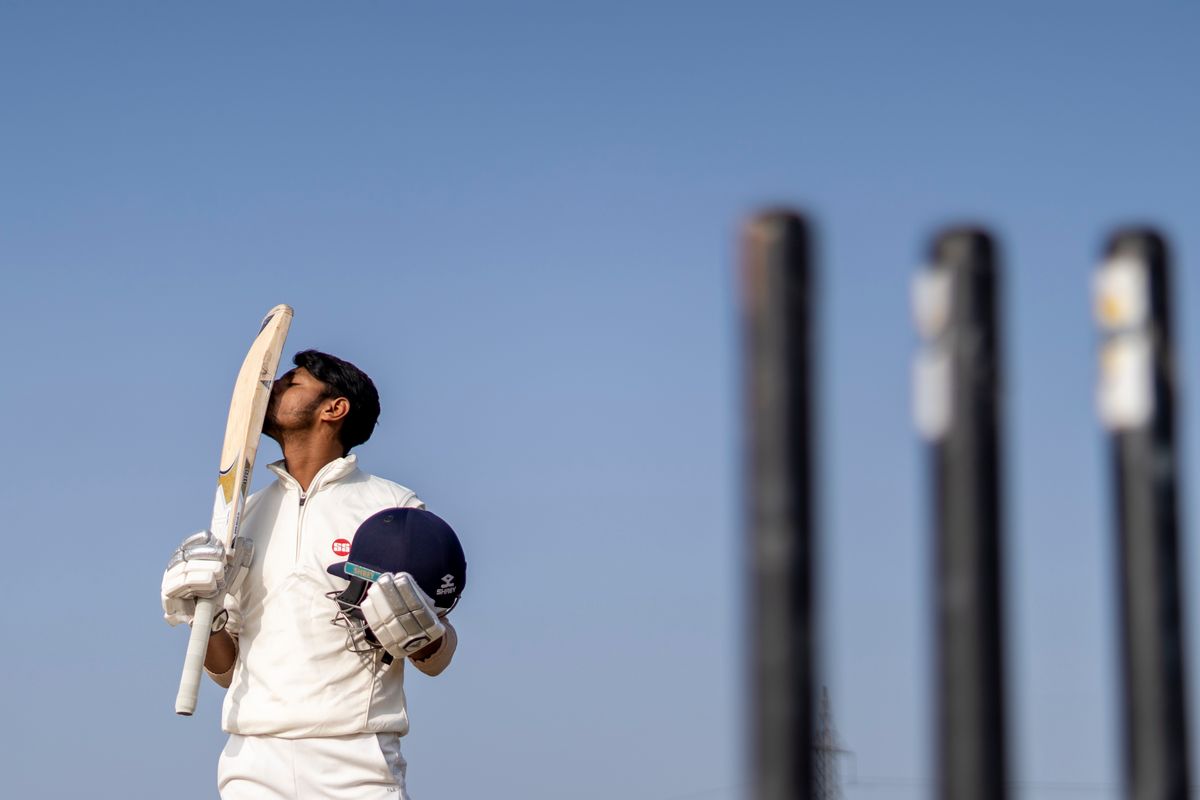
Cricket built India’s most valuable image-rights economy long before generative AI arrived. Here’s what every creator can borrow from it.
Read →
Indian influencer marketing is projected to cross ₹5,000 crore, yet most collaborations still run on DMs and screenshots. The usage-rights gap is where creators lose the most money.
Read →
Indian courts have repeatedly protected the names, voices and likenesses of well-known personalities. Here’s what that growing body of law means for everyone else.
Read →
Deepfakes are AI-generated media that make real people appear to say or do things they never did. Here is how they work, why India is a prime target, how to spot one, and what to do about it.
Read →
From first conversation to money in the bank: what actually happens when a brand licenses a creator’s face or voice in India — and where deals go wrong.
Read →
Machine-readable consent stores your usage permissions as structured data that software enforces automatically. Here is why that beats every contract sitting in a drawer.
Read →
India's ad self-regulator has proposed a three-tier, risk-based system for labelling AI content in advertising — including mandatory disclosure for virtual influencers. Here is what it means for human creators and the brands that hire them.
Read →
From an AI-altered ending for Raanjhanaa to a de-aged 'AI Mammootty', Indian studios are deploying digital doubles at unmatched scale. The missing piece is any framework giving performers a say — or a fee.
Read →
McAfee estimates about 90% of Indians have encountered an AI-generated celebrity endorsement, with victims losing around ₹34,500 each. The scam economy is not just stealing money — it is strip-mining the trust that makes an endorsement worth anything.
Read →
The Delhi High Court restrained AI deepfakes and cloned-voice ads that falsely cast actor-MP Ravi Kishan as a political middleman — extending personality-rights protection into the reputational and political arena, not just the commercial one.
Read →
The IT Rules 2026 mandate deepfake removal within three hours, yet fake investment videos of Nirmala Sitharaman and the BSE chief keep resurfacing. The gap between the rule on paper and enforcement is where the money is lost.
Read →
Brands are shifting from one-off posts to year-long ambassador contracts, and creators are earning more from owned product lines. But long-term deals quietly bundle in likeness and AI-usage rights that most rate cards never price.
Read →As cricketer Abhishek Sharma's Delhi High Court suit ballooned from 25 links to 4,000, the court began drawing a line — a sign that India's fast-expanding personality-rights doctrine is about to meet its limits.
Read →
From 13 November 2026, India's DPDP framework lets registered consent managers broker permissions in machine-readable form. Here is why that infrastructure is the missing piece for controlling how AI uses your face and voice.
Read →
Detection tools are improving, but India's real weakness is timing: deepfakes drop 24–72 hours before voting, when fact-checkers can't keep pace. The durable fix is provenance and pre-registered identity, not just better detectors.
Read →
The Bombay High Court ordered platforms to remove roughly 275 AI-generated links impersonating Preity Zinta — the latest in a growing line of Indian court orders treating deepfakes as a personality-rights violation.
Read →
Cloned voices are absorbing India's dubbing and voiceover work, but the deeper problem is a consent vacuum: voices reused with no clear terms, no ongoing pay, and almost no legal guardrails.
Read →
As India's influencer industry nears ₹3,375 crore, the sharpest creators are shifting from renting their audience to owning their intellectual property — their names, likenesses and brands.
Read →Zimorta onboards founding members in small cohorts — Indian talent, agencies and brands building the consent layer for the AI era.