AI voice cloning is quietly replacing India's dubbing and voiceover artists, and the biggest problem is not the technology itself but the consent vacuum around it — voices are being copied and reused with no clear terms, no ongoing pay, and almost no legal guardrails.
How badly is AI hitting India's voice artists?
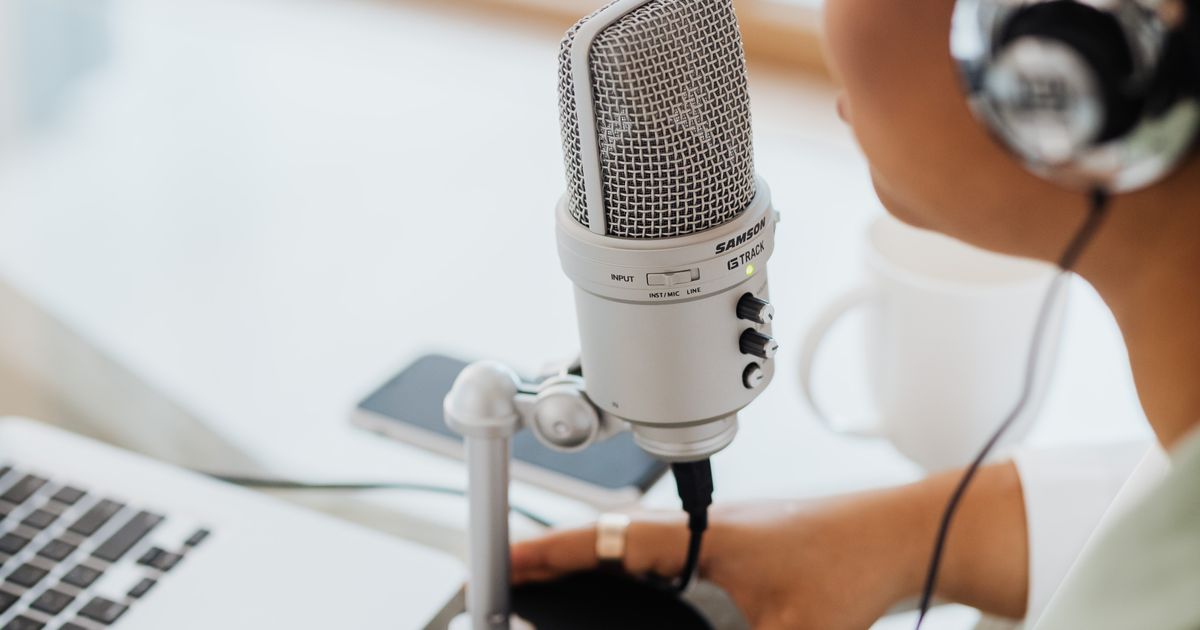
Hard, and fast. India's dubbing and voiceover sector employs an estimated 20,000 freelancers, and many now report their monthly workload collapsing from 15–20 projects to just six or seven, as reported by The Hollywood Reporter. Text-to-speech and cloned voices are absorbing the steady bread-and-butter work first — infomercials, corporate videos and ad reads — before moving toward film and OTT dubbing.
Why is this a consent problem, not just a jobs problem?
Because a cloned voice can keep working long after the artist has left the studio. Amarinder Singh Sodhi, general secretary of the Association of Voice Artists of India, puts it plainly: your voice is your intellectual property. The complaint from artists is not only that AI is cheaper — it is that firms approach them without specifying how a recording will be used, for how long, or in what contexts, leaving open the risk that a friendly ad read is later reshaped into something the artist would never have agreed to, including political or hateful content. Our explainer on generative AI and rights unpacks why voice sits at the centre of this fight.
What does this do to what voice artists get paid?
It compresses rates at both ends. A skilled dubbing assignment in India can command ₹3–4 lakh, but once a voice has been captured and cloned, a studio can regenerate lines endlessly without paying the human again — turning a recurring fee into a one-time buyout, often an undervalued one. Films such as Kalki 2898 AD and Vettaiyan have already used voice-cloning workflows, and cloning studios are courting artists directly. The right response is not to refuse the technology but to price the licence properly; our likeness rate calculator is built to help Indian talent put a defensible number on voice and likeness usage.
Can artists actually license their voice instead of losing it?
Yes — and that is the constructive path through this. A voice clone is only a threat when it is made without terms; the same clone becomes an asset when the artist controls consent, scope and price. That means machine-readable permissions specifying exactly which projects, languages and durations are allowed, plus a payment trail tied to each use. The vocabulary for these arrangements is still settling, which is why we maintain a plain-language glossary of consent and licensing terms for Indian creators.
Where this goes next
India is running one of the world's largest uncontrolled experiments in AI voice, precisely because it lacks unions and dedicated regulation. That will not last: as personality-rights case law hardens and the DPDP framework matures, unlicensed voice cloning will look less like a bargain and more like a liability. Artists who set their terms now will be the ones still getting paid when the rules catch up.