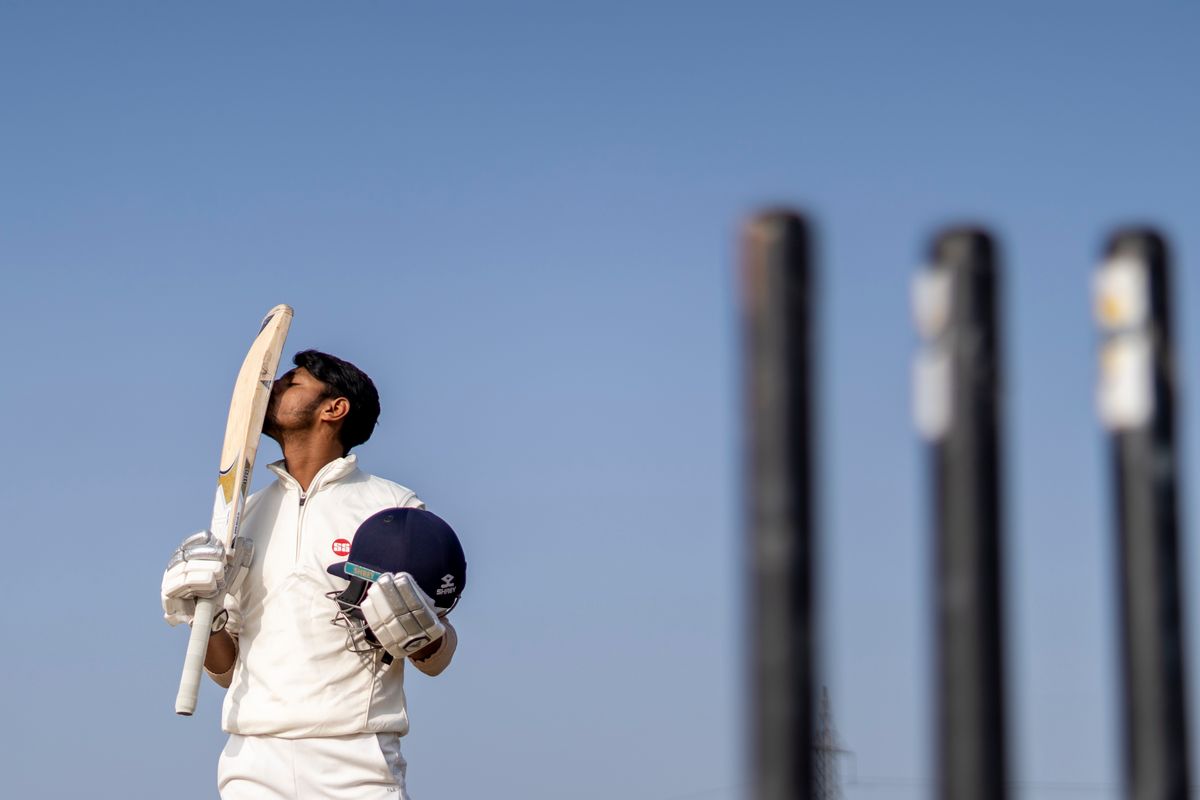
India has become the world's most aggressive laboratory for AI filmmaking — de-aging stars, cloning voices, even re-cutting the endings of old films — yet it has no framework giving performers the right to consent to, or be paid for, a digital version of themselves. The technology is racing ahead of the rights, and performers are the ones exposed.
How far has AI filmmaking actually gone in India?
Further than anywhere else, and fast. As reported by The Hollywood Reporter, one studio estimates that around 80% of Indian films now use AI extensively. Eros International re-released the 2013 hit Raanjhanaa with an AI-altered happy ending over its director's objection; the Malayalam superhit Rekhachithram built a de-aged "AI Mammootty" from more than a thousand photographs and earned about ₹57 crore worldwide. One director completed an 80-minute feature for roughly ₹33,000, and executives talk of cutting budgets that once ran into hundreds of crores by three-quarters.
Why is the Raanjhanaa ending a warning, not a novelty?
Because it shows who currently holds the power — and it is not the performer. Director Aanand L. Rai said the alternate ending "stripped the film of its very soul," but Eros asserted it was the "sole financier, producer and rights holder" with authority under Indian copyright law to modify the work. The people whose faces and performances carry the film had no veto. When a studio can rewrite a story's climax around actors who never performed it, the question of consent stops being academic. Why consent, not the tooling, is the real fight is the theme of our explainer on generative AI and rights.
What does "work for hire" mean for a performer's digital double?
It can mean signing away your future self without realising it. Entertainment lawyers note that standard Indian work-for-hire contracts grant studios sweeping rights to modify a performance across "all modes, mediums, formats and technologies" — language drafted before digital doubles existed but now broad enough to swallow them. A voice artist who recorded a film in 2018 may find that clause used to justify an AI clone of their voice in 2026. Understanding the difference between licensing a performance and surrendering a likeness is exactly what our rights and AI glossary is built to make plain.
Does India have anything like Hollywood's performer protections?
No — and that gap is the whole story. In the United States, agreements negotiated by SAG-AFTRA bar studios from creating a digital replica or altering a performance without the performer's informed consent. India has no equivalent union guardrail and no dedicated statute, which is precisely why studios describe the country as the world's live experiment in AI film. India's roughly 20,000 freelance voice artists, some estimating that 70–80% of brand voices on Indian TV are already AI-replaced, are the clearest casualties of that vacuum.
How can talent protect a digital likeness before signing?
By treating the digital double as a separately negotiated, separately priced asset — never a free inclusion in a work-for-hire deal. Before signing, a performer should register a timestamped assertion of their likeness and voice, specify which synthetic uses are permitted and for how long, and attach a price to each. A skilled dubbing assignment can command ₹3–4 lakh; an unlimited, perpetual voice clone is worth far more, and should be quoted as such. Our likeness rate calculator helps put a defensible figure on that, and the Zimorta platform turns it into an enforceable record.
The bottom line
India's studios have proven that AI can de-age a legend, revive a voice and rewrite an ending. What they have not yet built is a system where the human at the centre of that magic gets to say yes, no, or how much. Until the law catches up, performers who document and price their digital selves now are the only ones with real leverage.