India's courts have spent two years expanding personality rights to cover AI misuse — but cricketer Abhishek Sharma's Delhi High Court suit, where a claim over 25 links grew to roughly 4,000, is the moment a judge began pushing back and asking where the right actually stops.
What happened in the Abhishek Sharma case?
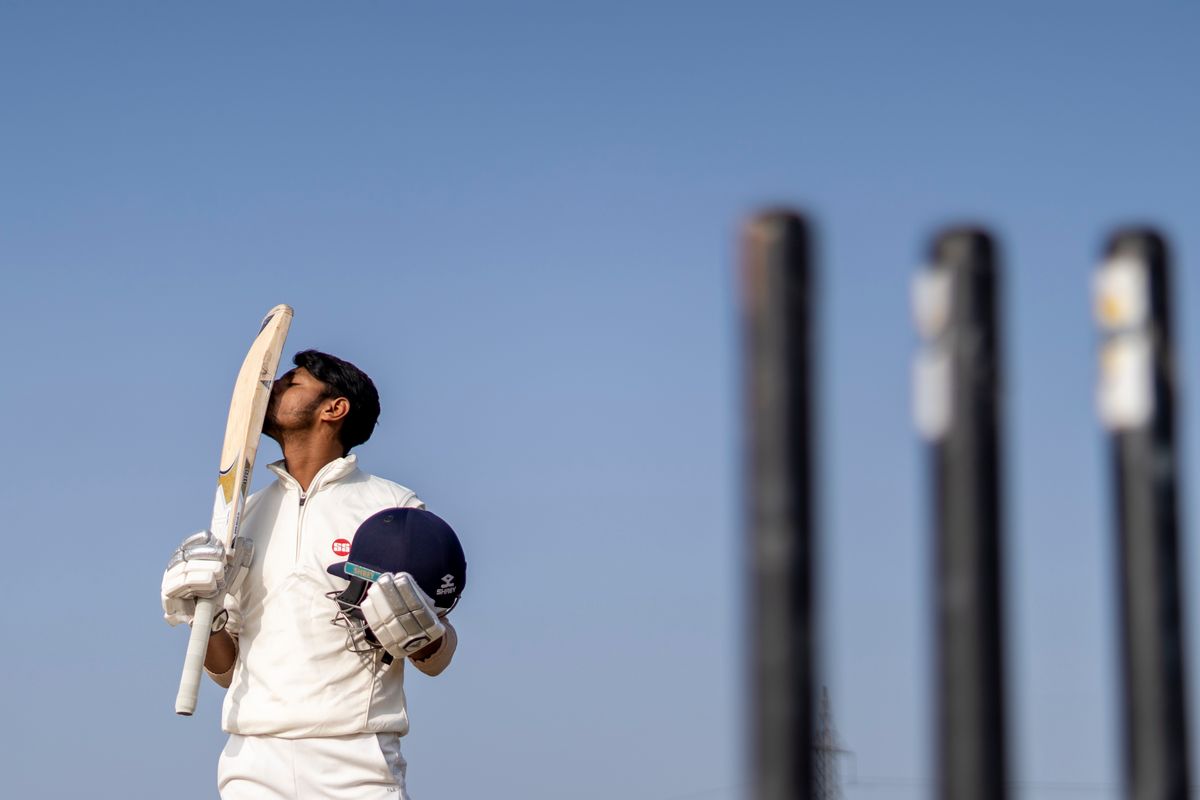
On 7 July 2026 the Delhi High Court declined to grant Sharma immediate blanket relief, adjourning the matter after finding discrepancies in his evidence. As reported by Bar and Bench and LiveLaw, Sharma sought protection against unauthorised use of his name, image and likeness, including an AI-altered photograph of him with his manager. But Justice Jyoti Singh flagged a "thin line" between defamation and publicity rights and asked him to refile with corrected screenshots.
Why did the number of links matter so much?
Because scope is where the doctrine breaks. Meta's counsel noted that Sharma's list had escalated from about 25 URLs to roughly 4,000, and argued that granting relief on that scale would force intermediaries to "clean up the internet" of any critical content, whether or not it truly infringed. That is the crux: personality rights protect commercial identity, not reputation in general. Much of what upsets a public figure is unflattering opinion or satire — the province of defamation law, with its defences, not of a fast-moving likeness injunction. Our guide to personality rights in India traces how this boundary is being tested order by order.
Is the personality-rights wave slowing down?
Not slowing — maturing. The past two years produced a run of celebrity-friendly orders for figures from Aishwarya Rai to Gautam Gambhir, and that momentum is real. But legal commentators, including the Supreme Court Observer, have begun warning that the law "must not overprotect fame" by handing celebrities a tool to suppress all unwanted speech. The Sharma hearing is the first visible sign of judicial caution: courts want genuine AI impersonation and commercial exploitation, not a private censorship button. That distinction will define the next phase of Indian case law.
What does the defamation line mean for talent?
It means a takedown request has to be built well to survive. Courts are increasingly likely to scrutinise whether each disputed link is genuine impersonation — a deepfake ad, a fake endorsement, a cloned voice selling a product — or merely criticism a plaintiff dislikes. A padded list of 4,000 URLs invites exactly the skepticism Sharma met. A tight, evidenced set of clear commercial fakes is far more likely to win fast relief. Knowing where your enforceable rights begin is half the battle; our glossary of likeness and consent terms spells out the difference between publicity rights, moral rights and defamation.
How should Indian talent respond to a stricter bar?
By documenting misuse precisely instead of casting a wide net. The talent who win in a more skeptical courtroom will be those who can show, link by link, that specific content commercially exploits their registered likeness or voice without consent — with timestamps, a clear record of what they did and did not permit, and monitoring that separates true impersonation from ordinary online noise. That evidentiary discipline is exactly what the Zimorta platform is built to produce, and it also feeds a defensible valuation: our likeness rate calculator helps quantify the commercial value a genuine infringement actually harms.
The bottom line
India's personality-rights doctrine is powerful precisely because courts have been willing to move fast. The Sharma case is a healthy correction: the right protects your identity as an asset, not your feelings as a public figure. Talent who understand that line — and build their claims around it — will keep winning while the overreachers get sent back to refile.